Sauna & Cold Plunge in Norway — The Heat-Cold Contrast Experience
Norway's sauna culture is defined by the heat-cold contrast. Discover the best spots to combine a traditional sauna with an ice-cold ocean, lake or river plunge.
Ask a Norwegian what happens after the sauna and they will look at you as if the answer is obvious. You jump in the water. Cold water. The colder the better. The heat and cold contrast is not optional — it is the entire point.
This practice, which wellness culture has recently discovered and rebranded as “contrast therapy,” has been central to Norwegian and broader Nordic sauna culture for as long as saunas have existed. The physiological effects are well-documented: cardiovascular stimulation, reduced inflammation, improved mood via noradrenaline release, and a deep post-session calm that practitioners describe as unlike any other state they can achieve. But the science only explains part of it. The rest is the experience itself — the shock, the breath, the aftermath.
Norway is an exceptionally good place to explore this practice. The country has 50,000 km of coastline, over 450,000 lakes, and rivers flowing through almost every valley. Cold water is never far away. Combine that with one of Europe’s most deeply rooted sauna cultures, and you have the conditions for contrast therapy as it was always meant to be done: outside, natural, and unmediated.
For a broader look at the tradition that produced this ritual, Norwegian sauna culture traces the practice from its roots to the present day.
The Science Behind the Ritual
The heat-cold cycle is not simply uncomfortable followed by comfortable. The two phases interact, each amplifying the benefits of the other.
In the sauna, core body temperature rises, blood vessels dilate, and the heart begins working harder to push blood toward the skin for cooling. Typical Finnish-style sauna heat — 80–100°C — raises the heart rate to levels comparable with moderate aerobic exercise. Research led by physician and scientist Rhonda Patrick has shown that regular sauna use improves cardiovascular function over time, reducing the risk of coronary disease by markers similar to those seen with regular aerobic exercise.
Then comes the cold plunge. When the body hits cold water, noradrenaline — the same neurotransmitter behind the “fight or flight” response — spikes to approximately three times its baseline level. This surge is associated with sharper focus, elevated mood, and reduced pain perception. The same cold exposure also activates brown adipose tissue, a metabolically active type of body fat responsible for thermogenesis. Regular cold exposure trains this tissue to become more effective, improving the body’s long-term ability to generate heat and regulate metabolism. Studies on cold water immersion have also measured reductions in C-reactive protein, a standard marker for systemic inflammation — suggesting that the ritual has genuine anti-inflammatory effects beyond the immediate sensation.
The recovery phase — sitting still and warm after the final round — produces the state practitioners often describe as the most valuable part of the session. Body temperature normalises, adrenaline clears, and what remains is a deep, parasympathetic calm that can persist for several hours. This is not relaxation in a passive sense. It is a physiological reset.
Why Norwegians Love the Cold Plunge
The Norwegian relationship with cold water goes beyond wellness trends. It is cultural, seasonal, and deeply normalised.
“Vinterbading” — winter swimming — has been practiced in Norway for generations. Swimming associations along the coast have maintained outdoor bathing jetties through the coldest months for over a century. For many Norwegians, the year-round ocean swim is a non-negotiable part of daily life, and the sauna simply provides a warmer starting and ending point for that ritual.
Cold water immersion activates what physiologists call the diving reflex — an automatic cardiovascular response that slows the heart rate and redirects blood to the core. This is followed, when you exit the water, by a powerful rebound effect: the heart rate climbs, blood rushes back to the extremities, and the body produces a flood of endorphins and noradrenaline. The result is an alertness and physical warmth that can last for hours.
Done repeatedly — several rounds of heat and cold over the course of a sauna session — this cycle produces cumulative effects. Regular practitioners report improved cold tolerance, better sleep, reduced anxiety, and a general sense of physical robustness that they attribute to the regular shock-and-recovery cycle.
How to Do It — Step by Step
Most Norwegians do not follow a protocol consciously. They have simply absorbed the rhythm through years of practice. For newcomers, it helps to understand the structure.
Round one: heat. Enter the sauna and stay for 10–15 minutes. You do not need to push through discomfort — the target is a strong, sustained warmth, not the maximum heat you can tolerate. Experienced practitioners often do a short löyly (steam from pouring water on the stones) toward the end of the heat phase to deepen the sweat.
The plunge. Step out and enter cold water immediately — or as close to immediately as the facility allows. Hesitation is the enemy; the body braces harder the longer you wait. Enter fully, submerging the shoulders and neck if possible. The cold shock response — an involuntary gasp — is normal and expected. Work with it rather than against it. Exhale slowly and deliberately through the mouth as you enter. Within 20–30 seconds, the gasping reflex settles and the body finds a kind of still point. Stay in for 30–90 seconds. Longer is not necessarily better; the transition itself is the stimulus.
Rest. Exit the cold water and allow the body to recover for 5–10 minutes before the next heat phase. This rest phase is where the noradrenaline is metabolised and the warmth rebuilds from the inside. Do not rush it.
Repeat. Two to three complete cycles — heat, cold, rest — is the standard Norwegian approach. After the final cold plunge, always return to the sauna or a warm indoor space for a longer recovery period of at least 15–20 minutes. This prevents the “afterdrop” effect.
A note on afterdrop. When you exit cold water, your core temperature can continue to fall for several minutes even after you have left the water. This is because blood that was pooled in the warm core rushes back to the cold periphery, carrying heat away from the centre. The result is a sudden intensification of cold that can feel alarming if unexpected. It is not dangerous in normal circumstances, but it is the reason Norwegians always finish a session in warmth rather than standing around in the cold air after their final plunge. Staying still immediately after exiting the cold water — rather than moving, which accelerates circulation — slows the afterdrop effect.
Ocean, Pool, or River — What Each Cold Plunge Feels Like
Not all cold water is the same. Norwegian saunas give access to three distinct types of immersion, and each has its own physical and sensory character.
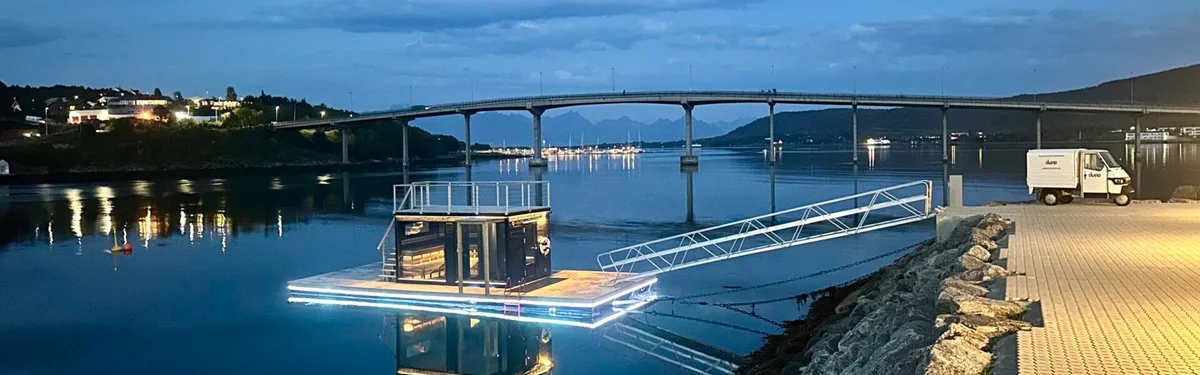
Ocean plunges are the most common in Norway and the most distinctive. Seawater has a slight buoyancy from salt content, and the combination of salt, cold, and often wave action creates an immersive, full-body sensation that pool immersion cannot replicate. The skin reacts differently to salt water — many practitioners find it leaves the skin feeling smoother and more alive after a session. Norwegian coastal waters range from around 3–5°C in winter to 16–18°C in high summer. Floating saunas at Oslo’s harbor — KOK Oslo at Aker Brygge and Langkaia, and Bademaschinen nearby — provide this in a city-centre setting. Blaud Sauna in Kristiansand’s harbor brings the same experience to the warmer south coast. City Sauna Bergen and Allmenningen Bybad Sauna in Haugesund provide harbor-front ocean dips on the west coast. For the most extreme ocean cold plunge in Norway — a genuine Arctic dip at the top of the world — Arctic Sauna Adventure and Vulkana in Tromsø both offer seawater immersion with air temperatures that can hit -15°C in winter.
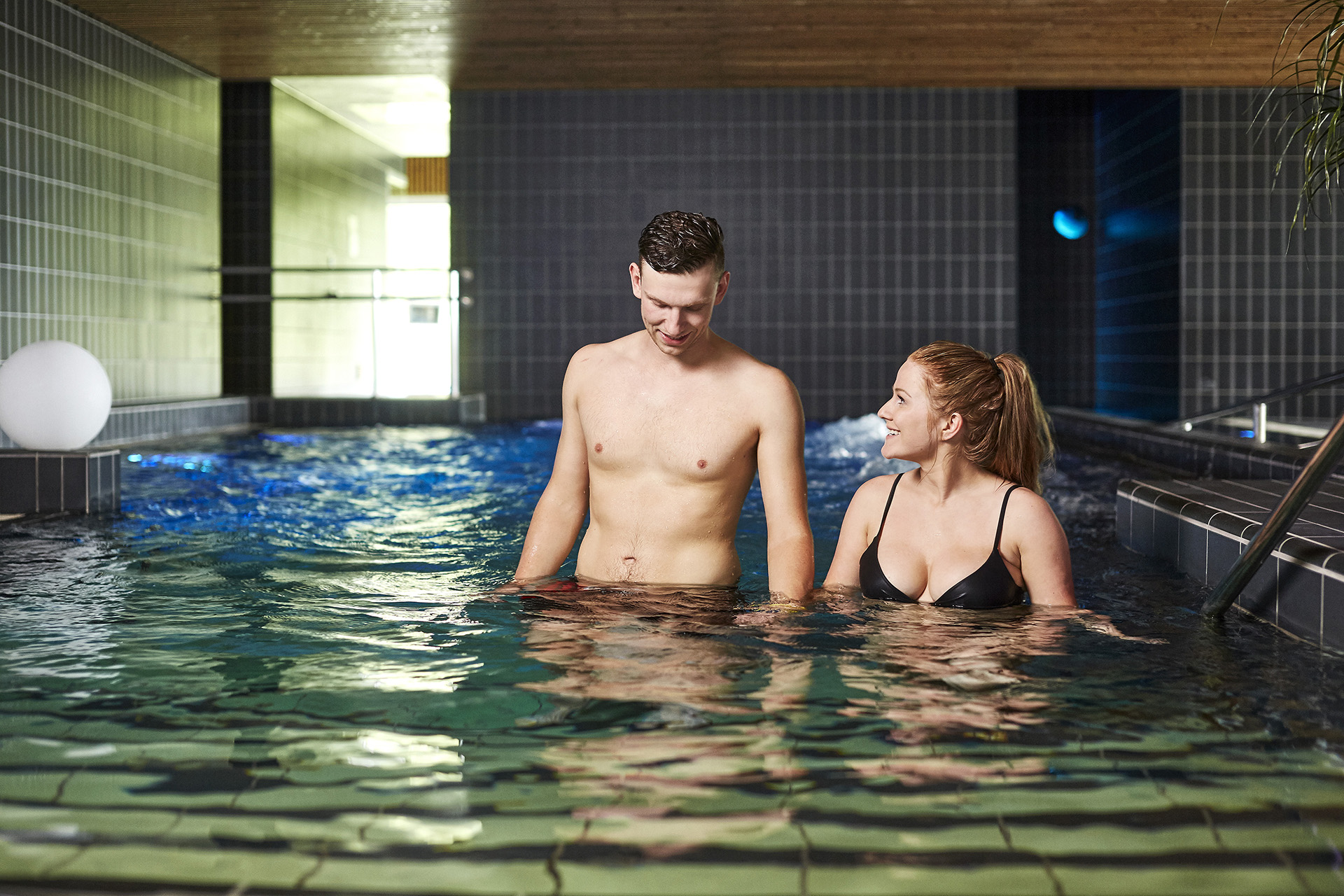
Pool and spa plunges offer controlled temperature and ease of access that is genuinely useful for beginners or for those building a regular practice in urban settings. The cold plunge pools at The Well near Oslo, Bergen Flyt, Farris Bad in Larvik, and Ankerskogen Spa in Hamar maintain a consistent temperature year-round — typically 8–12°C — which makes the experience predictable and repeatable. What you sacrifice in wildness you gain in reliability and access to multiple rounds without logistical complexity.
River and fjord plunges occupy a middle ground. Fjord water, as found at AUGA Bad Lærdal on the Sognefjord, has a different quality from open ocean — calmer, with mountain snowmelt feeding it and the surrounding peaks framing every immersion. Mountain river plunges are the most intense: the current creates a dynamic element that makes the cold feel more penetrating, and glacially sourced river water can stay below 6°C even in late July. Lakes add another variant — still, soft, reflective, with a quiet that ocean plunges rarely have.
Best Ocean Cold Plunge Saunas
Norway’s coastline offers cold water immersion year-round, and the sauna operators along it have built their experiences around the ocean plunge.
Dypp Sauna — the name simply means “dip” — is designed entirely around the contrast experience, with direct access to seawater and a sauna setup that makes multiple rounds easy and comfortable. The installation of jetties and platforms means the cold plunge is a dignified, prepared experience rather than a scramble over rocks.
Fyr Sauna operates near a lighthouse — “fyr” means lighthouse in Norwegian — with open water access and the atmospheric quality that comes with a coastal setting. The exposure here is to proper Norwegian seawater, which maintains a temperature of around 3–8°C in winter and 16–18°C at its summer peak.
Naa Sauna combines contemporary sauna design with direct coastal access. The ethos here is around presence and simplicity — the name reflects an approach to the experience that is about being fully in the moment of heat and cold.
Reed Sauna takes its aesthetic from the natural coastal landscape, with a design language that reflects the reed beds and tidal flats of the Norwegian outer coast. Cold plunges here are in shallow tidal water — different in character from an open ocean plunge, but with their own seasonal drama.
Stad Sauna sits on one of Norway’s most exposed coastlines, at the Stad peninsula where the Norwegian Sea meets the inner leads. The cold water here has the full force of open Atlantic behind it — a serious cold plunge experience for those who want genuinely wild conditions.
Aasgaardstrand Badeselskab in the small coastal town of Åsgårdstrand — famous as the setting for several Edvard Munch paintings — has maintained a bathing and sauna tradition for over a century. Plunging into the Oslofjord from these historic jetties connects you to a genuinely old Norwegian bathing culture.
Lake and River Plunge Experiences
Inland Norway offers a different form of cold immersion: lake and river water that has a character entirely its own.
Eidsvoll Badstuforening operates near Lake Mjøsa, Scandinavia’s largest lake. The lake water is cold and clear, fed by snowmelt and forest drainage, and the experience of plunging into it after a sauna has a different quality from ocean swimming — more enclosed, more intimate, with the mirror-flat surface of the lake reflecting the surrounding landscape.
Wild Sauna Bakka offers mountain river cold plunges — a genuinely intense experience. Norwegian mountain rivers run directly from snowfields and glaciers and rarely warm above 8–10°C even in late summer. The current adds a dynamic element to the immersion that still-water plunges do not have. You enter, the river pushes, and you feel the cold moving against every surface at once.
Roa Badstue Geiranger near Geirangerfjord provides cold plunges in glacial meltwater — arguably the purest and coldest source of immersion water you will find at a commercial sauna in Norway. The temperature of glacial runoff, even in summer, hovers around 4–6°C. This is not comfortable. It is exhilarating.
Damp Isla offers a more sheltered lake or inlet experience, where the combination of the sauna structure and natural water access creates the ideal conditions for exploring the contrast cycle at your own pace.
Cold Plunging by Season
The cold plunge is a year-round practice in Norway, but the experience changes so dramatically across seasons that summer and winter feel like different rituals entirely.
Summer (June–August) is the accessible season. Norwegian coastal water reaches its annual peak of 16–18°C — cool enough to be invigorating but not cold enough to trigger the full cold shock response. First-time visitors will find this the most comfortable entry point. The midnight sun adds a surreal quality to late-evening sessions, particularly in northern Norway, where the sky at 11 pm in July is as light as early afternoon. River and mountain lake temperatures in summer tend to be colder than the coast — snowmelt water from the high fells stays around 6–10°C well into August.
Autumn (September–November) is when serious practitioners start to feel the water earn its reputation. Sea temperatures drop back through the 12–10°C range, and the contrast between a well-heated sauna and the cooling fjord becomes noticeably sharper. The landscape enters a spectacular colour period and the crowds thin.
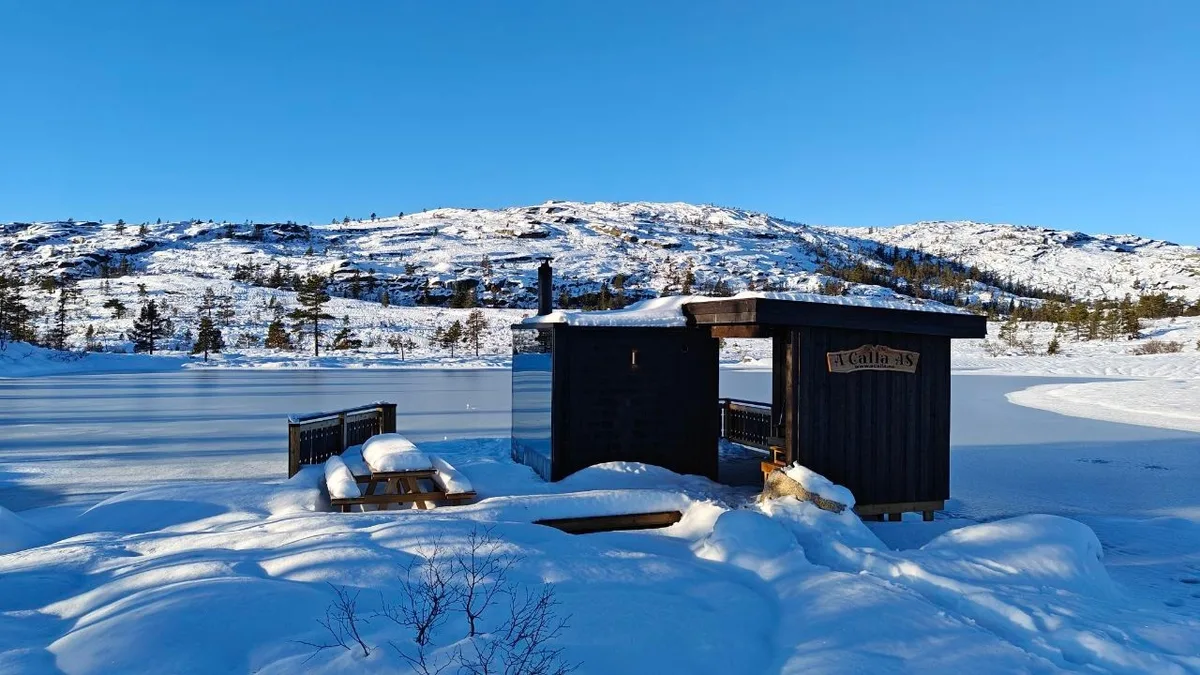
Winter (December–March) is the full experience. Ocean temperatures hover between 2–6°C along most of the coast, and river and lake surfaces may need to be broken before entry. The “sea smoke” effect — mist rising from water that is warmer than the frigid air above it — creates an atmospheric, almost otherworldly setting for the cold plunge. Many experienced Norwegian practitioners consider winter the only season that produces the full physiological response. The noradrenaline spike is sharper, the post-plunge warmth more pronounced, and the recovery in the sauna afterward is deeper and more complete.
Spring (April–May) combines cold water with lengthening daylight. Ice is breaking up, snowmelt is flowing, and the water is still near its winter minimum. This is the season for those who want winter-intensity cold with the psychological lift of emerging light.
As a general rule: if you are building a regular practice, summer is when you build the habit and winter is when it pays dividends. If you are visiting Norway specifically for the contrast experience, late November through February offers the most dramatic conditions. For the most extreme version of this — truly Arctic cold plunges — our guide to Arctic sauna experiences in Norway covers the options in Tromsø, Finnmark, and beyond.
Ice Bathing in Winter
Winter cold plunges are a different category from summer ones, and not only because of the temperature difference.
In winter, the visual and sensory context of the cold plunge changes completely. Ice may need to be broken before you enter. Steam rises from the water surface — a phenomenon called “sea smoke” or “Arctic steam” — as the water is warmer than the air above it. Your breath forms clouds. The contrast between the sauna and the outside air is so extreme that the short walk from door to water feels like crossing between two different worlds.
Arctic Sauna Ice Bathing at Skarsvåg in Finnmark offers the most extreme version of this experience — ice plunges in genuinely Arctic conditions, with water temperature near 0°C and air temperature regularly below -15°C. This is not beginner territory, but for those who have built up experience with cold immersion, it represents a genuine limit condition.
Beginner Tips for Cold Water Immersion
If you are new to cold water plunging, the key is to approach it incrementally rather than diving into the most extreme conditions immediately.
Start in summer. Norwegian coastal water in July is around 16–18°C — cool but not shocking. Build your confidence and technique before attempting winter immersion.
Control your breathing. The involuntary gasp on cold water entry — the “cold shock response” — can trigger hyperventilation. Breathe slowly and deliberately before you enter, and maintain a controlled breathing rhythm in the water. This gets easier with practice.
Keep your first immersions short. Thirty to sixty seconds is sufficient for your first few experiences. The benefits come from the transition, not from extended exposure. As your tolerance builds, you can extend the time.
Always return to the sauna to warm up. Cold water immersion without a warming phase afterward can leave you cold and exhausted rather than energised. The sauna is the second half of the treatment; do not skip it.
Never plunge alone. Cold shock can cause involuntary gasping, muscle cramps, or in extreme cases, cardiac events in susceptible individuals. Always plunge with at least one other person present who can assist if needed.
Respect your own limits. Contrast therapy is powerful, but it is not a competition. There is no merit in extending cold water time beyond what feels manageable. The goal is the afterglow — the sustained warmth and clarity that follows a well-executed sauna and cold plunge session.
Norway’s sauna and cold plunge culture is one of the most accessible forms of genuine wellness travel available. No equipment, no complicated preparation, no expertise required beyond a willingness to be uncomfortable for a few seconds in service of feeling extraordinary for hours afterward.
For a curated list of venues with dedicated cold plunge infrastructure — pools, ocean ladders, river platforms — saunas with cold plunge in Norway covers the country by region. For the cultural and historical context behind the cold plunge tradition, our Norwegian sauna culture guide explains where the ritual comes from and how it is practised today. The most extreme cold plunge experiences in Norway are Arctic ones — our guide to Arctic sauna experiences in Norway covers the Finnmark, Tromsø, and Svalbard options. Most floating saunas have direct cold water access — the best floating saunas in Norway covers the harbours, fjords, and lakes where the cold plunge feels most elemental.