Things to Do in Tønsberg — Norway's Oldest City, Viking History & Saunas
Explore Tønsberg — Norway's oldest city, Viking burial sites, Oslofjord sea kayaking, and some of the region's best harbour and fjord saunas.
Tønsberg has a legitimate claim to a remarkable title: the oldest city in Norway, with roots stretching back to at least 871 AD. Situated on the western shore of the Oslofjord in Vestfold county, it combines a genuinely deep history — Viking burial mounds, a medieval fortress hill, and a proud whaling past — with a lively waterfront scene and a sauna culture that has flourished in recent years. If you’re driving south from Oslo (about an hour away), Tønsberg makes for an easy day trip or a rewarding overnight stop.
Sauna Experiences in Tønsberg
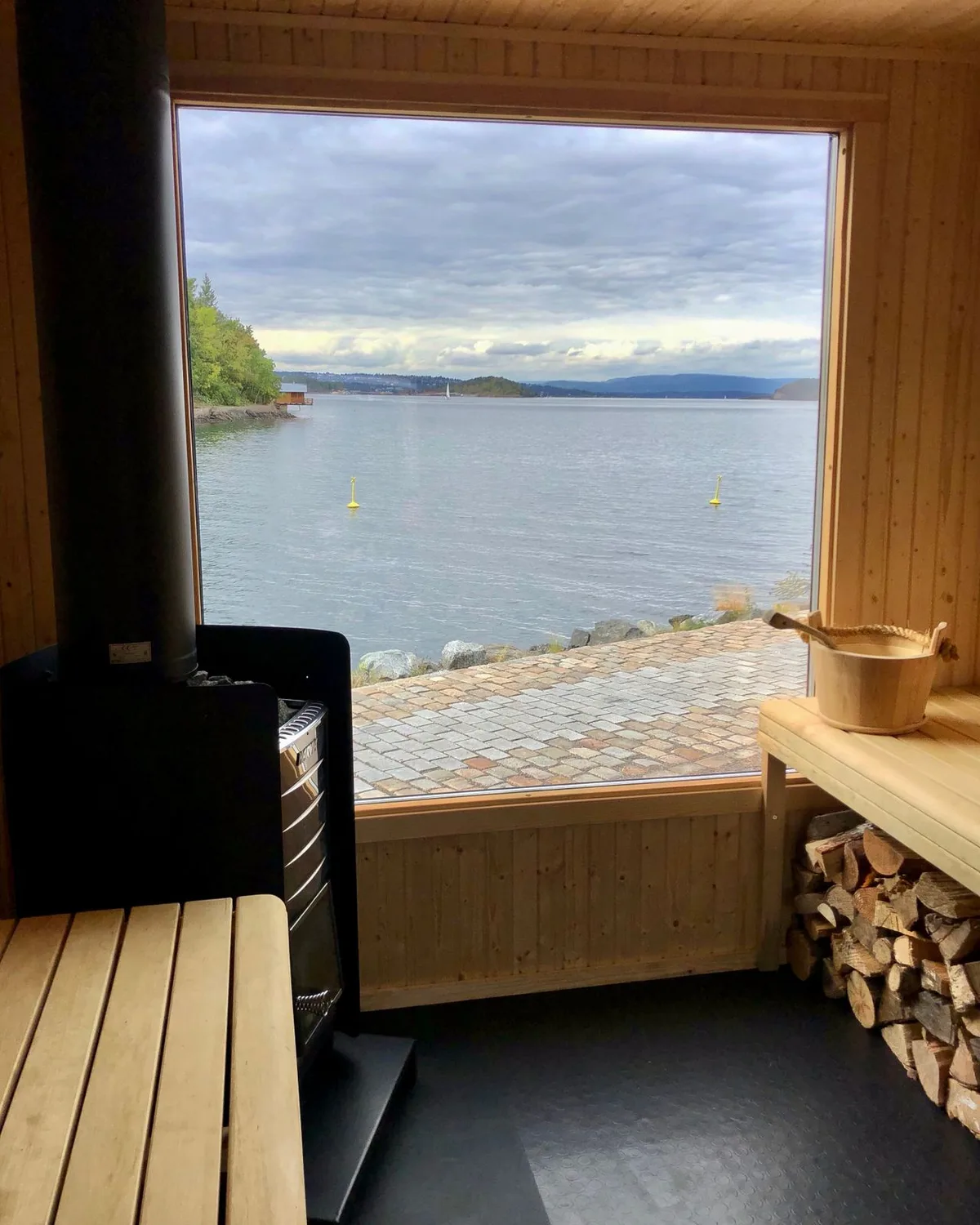
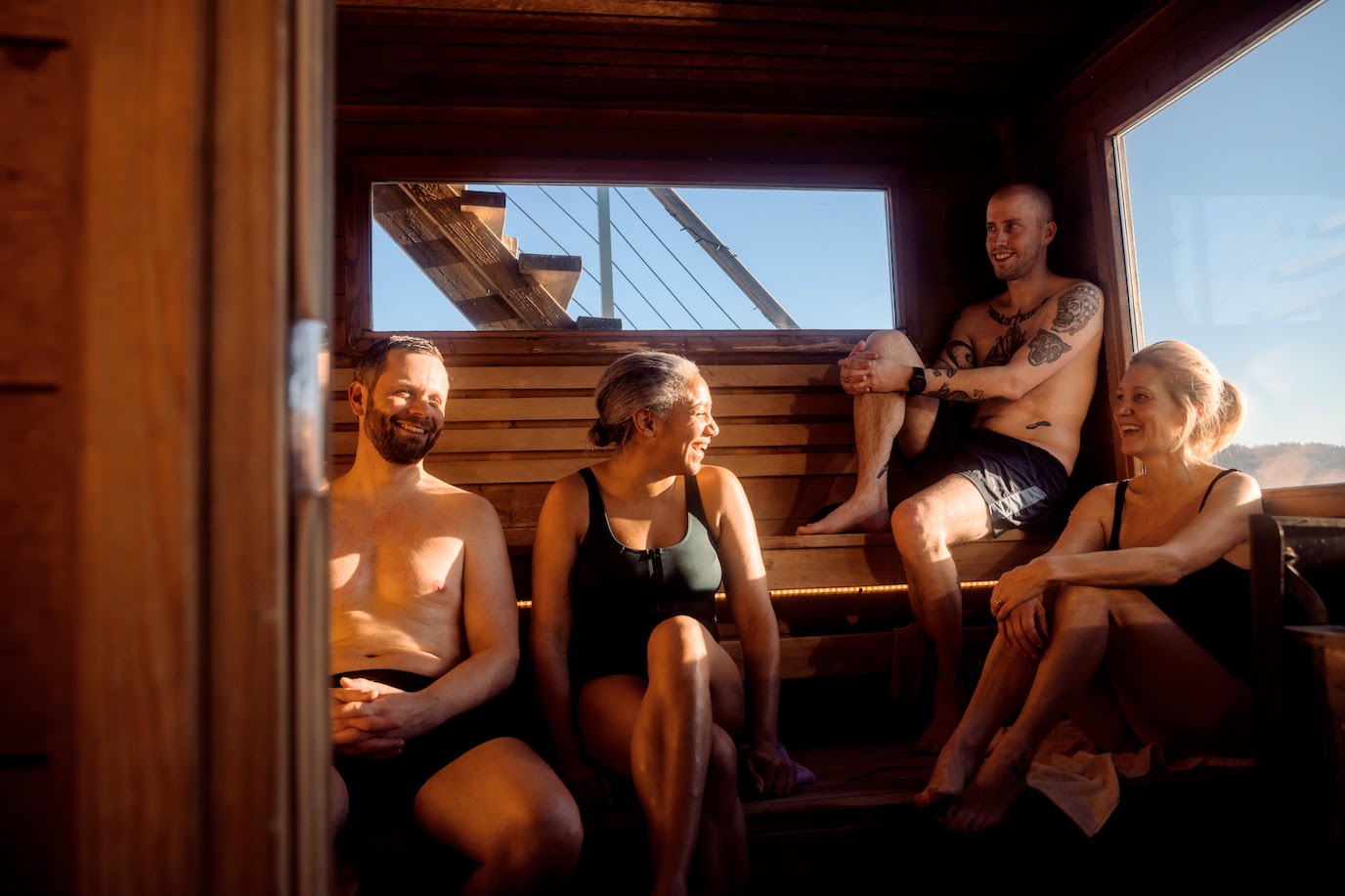
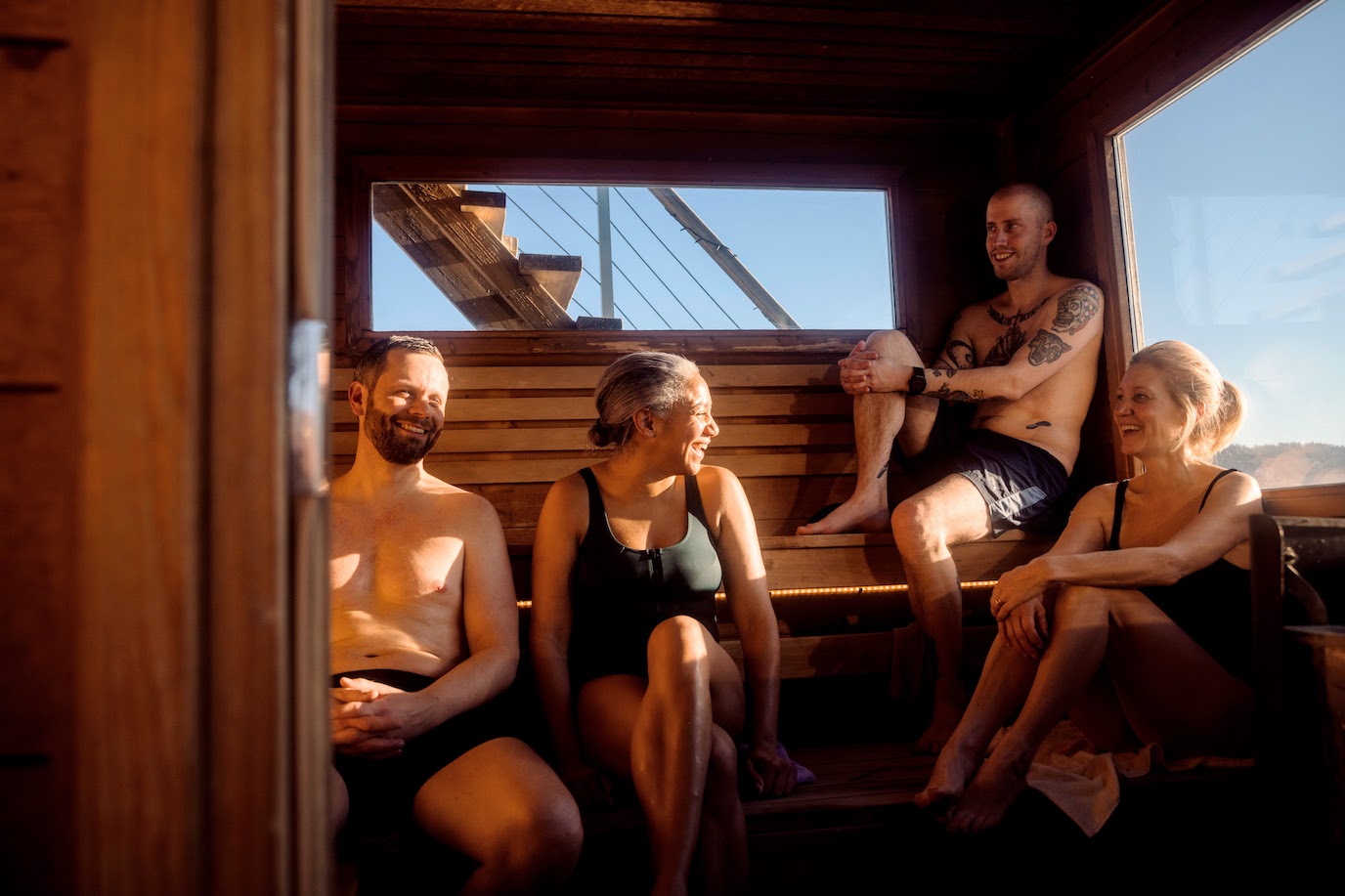
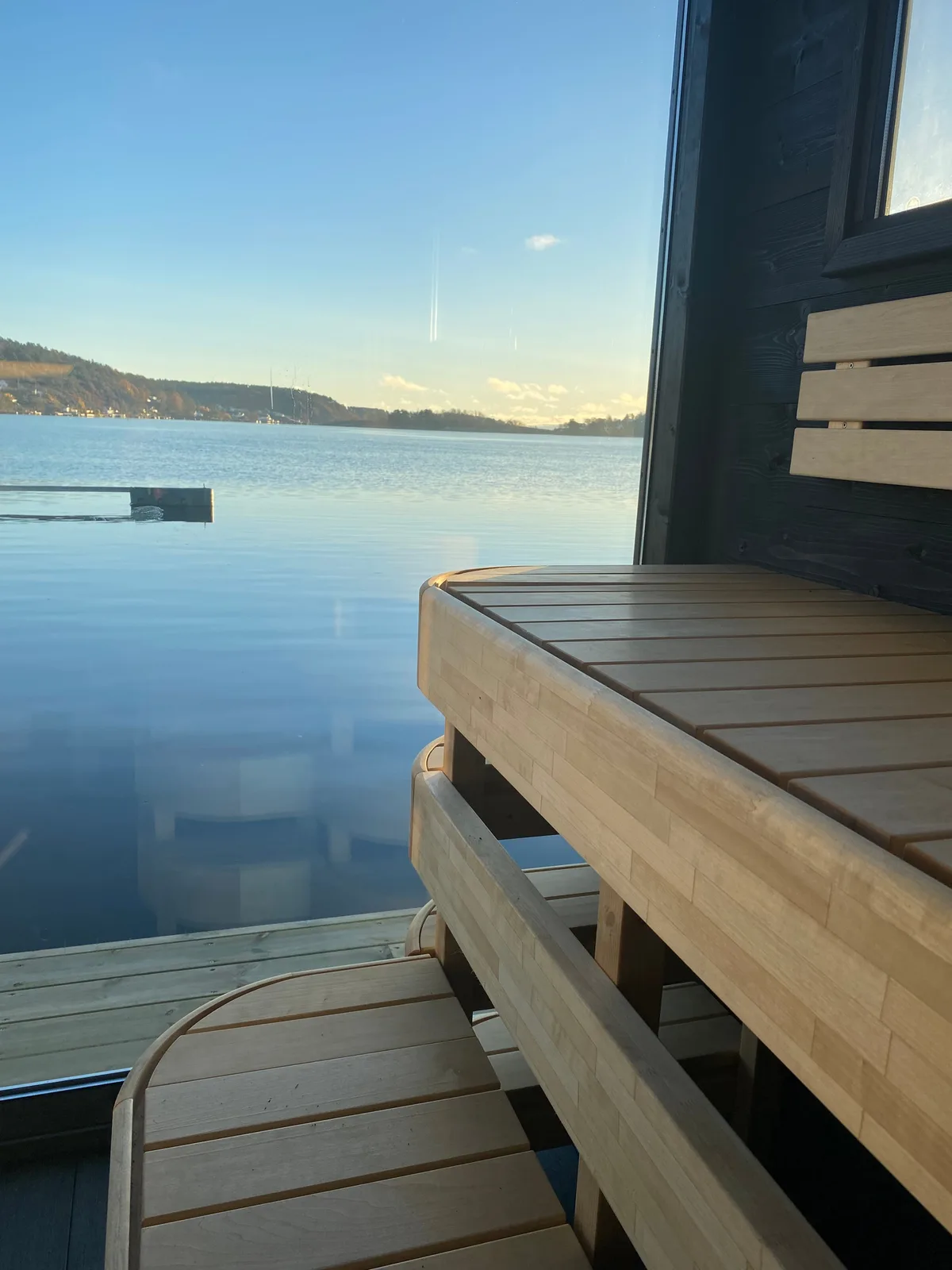
Tønsberg’s relationship with the fjord runs centuries deep, and the city’s sauna scene reflects that. The options here range from floating harbour saunas to island retreats and hotel spas, giving visitors genuine choice across formats and price points.
Bris Flytende Badstu is the standout experience: a wood-fired floating sauna moored in the harbour, where you can sweat it out and then step straight into the fjord. The combination of sauna steam, cold salt water, and harbour views is exactly what this kind of experience should be. Book ahead — sessions fill up.
Sjøbadet Badstue is positioned right on Brygga in the central harbour area, with space for up to 14 people and separate changing rooms for men and women. Drop-in shared sessions run at 195 NOK per person, and a monthly membership gives regular access — one of the more affordable entry points in the city. Sessions can also be booked privately for up to 195 NOK for 1.5 hours per person, or 1,495 NOK for a full group booking.
Out on Nøtterøy island, Danholmen offers both land and floating saunas across two locations — one at Ramberg (10 minutes from Tønsberg centre) and another at Arås Brygge near Torød. The setup here is relaxed and coastal, with camper parking and a grill area alongside direct sea access. For a more premium group experience, Viking Badstue in Husøysund — just off Nøtterøy — operates a floating fjord sauna for up to 20 people, with bathrobes, slippers, and the option to combine the session with a fjord cruise. Their Google rating of 4.9 from over 30 reviews reflects a consistently high experience.
For a more rural retreat, Engø Gård offers a beautifully situated farmstead experience on the Nøtterøy island side of the fjord. The setting here is exceptional — a historic estate with sauna access and accommodation that lets you properly slow down.
Klopp Sauna brings a social, community-focused approach to the harbour area, while those wanting a more polished, hotel-based experience can head to Quality Hotel Tønsberg, which offers spa facilities as part of its offering. For first-time visitors to this kind of bathing culture, how to book a sauna in Norway is a useful primer before arriving.
Viking History & the Oseberg Discovery
Tønsberg’s ancient status is more than a marketing claim. Slottsfjellet — the fortress hill that rises above the town centre — offers panoramic views over the fjord and the city, and the ruins of Tønsberg Castle at its summit are among the oldest in Norway. The hill is free to walk up and the views justify the climb at any time of year.
Just a few kilometres north lies the Borre National Monument, one of Scandinavia’s largest concentrations of Viking burial mounds. This is a genuinely atmospheric site — grass-covered mounds set in open woodland, largely undisturbed for over a thousand years. Nearby, the Oseberg Viking ship burial site is world-famous among archaeologists: the Oseberg ship, discovered in 1904, yielded extraordinary artefacts that are now displayed at the Viking Ship Museum in Oslo. Visiting the Borre area connects that museum experience back to its source.
The Haugar Vestfold Art Museum in the town centre is built directly above two Viking burial mounds — an unusual and thought-provoking combination of contemporary art and ancient history.
Whaling Heritage & Coastal Life
Vestfold was the heartland of the Norwegian whaling industry for much of the 19th and early 20th centuries, and Tønsberg was its commercial centre. The Whaling Museum in nearby Sandefjord tells this story in detail — it’s one of the most complete whaling museums in the world and well worth the short detour south.
The coastline around Tønsberg is also excellent for sea kayaking. The Oslofjord in this stretch is scattered with small islands and sheltered bays, and several operators run guided kayak tours from the harbour. In summer, the water temperature is comfortable and the light stays long into the evening. Nøtterøy island, connected to the mainland by a short bridge, adds even more coastline to explore — cycling around its perimeter is a popular local activity.
Jarlsberg Manor, a short drive inland, is one of Norway’s few surviving aristocratic estates and lends its name to the famous Norwegian cheese. The grounds are occasionally open for events and visits.
Getting There & When to Visit
Tønsberg is roughly an hour’s drive south of Oslo on the E18, or reachable by direct train from Oslo Central Station in around 75 minutes. The town is compact enough to explore on foot, and a rental bike from the centre covers Nøtterøy easily. For Danholmen and Viking Badstue, a car or local taxi is the most practical option — both are a short drive from the Tønsberg centre across to Nøtterøy island.
Summer is the obvious peak, when the harbour saunas are at their most social and the fjord is swimmable. The water around Nøtterøy and the inner Oslofjord warms up significantly by July, making the combination of sauna heat and a cold salt-water plunge particularly satisfying. The long summer evenings add to the appeal — a session at Bris or Sjøbadet in the late evening light is the kind of experience that’s hard to find further north in the country.
But Tønsberg in late autumn or winter has a different, quieter appeal — fewer crowds, the fortress hill wrapped in mist, and a sauna session followed by a cold fjord plunge taking on a genuinely restorative quality. Several of the saunas operate year-round, and the contrast between the steam cabin and icy fjord water is at its sharpest from December through February. Spring is excellent for the Borre burial mounds before the tourist season begins in earnest, and the Vestfold coastal light in April is particularly good.
For a city that was already old when most of Europe’s great cathedrals were being built, Tønsberg wears its history lightly. Spend a day here, walk up Slottsfjellet, book a session at Bris or Sjøbadet, and let the oldest city in Norway show you what it’s made of. For the wider context of what makes Norwegian sauna culture distinctive, our sauna culture guide covers the rituals, etiquette, and history behind what you’ll experience.
Tønsberg’s Bris Flytende Badstu is one of Norway’s best floating saunas — the best floating saunas in Norway covers it alongside the wider national fleet. The city sits within easy day-trip range of Oslo, making it part of a rich Vestfold sauna circuit — the best saunas near Oslo covers the full region. Larvik to the south is another Vestfold town worth combining on a coastal route — things to do in Larvik covers the Brunlanes coast and Farris Bad.