Things to Do in Norway — A Sauna-First Travel Guide
Plan a Norway trip around the country's best saunas, fjords, cities and Arctic experiences — 16 city hubs, 300+ saunas and a year-round roster of unmissable adventures.
Norway packs more natural drama into its 2,500-kilometre length than almost any country on Earth. Fjords carved by glaciers, mountains that plunge straight into the sea, the aurora dancing above Arctic towns in winter, and the midnight sun keeping the sky blue past 2am in summer — it is a country built for travellers who want to feel small, awake and alive.
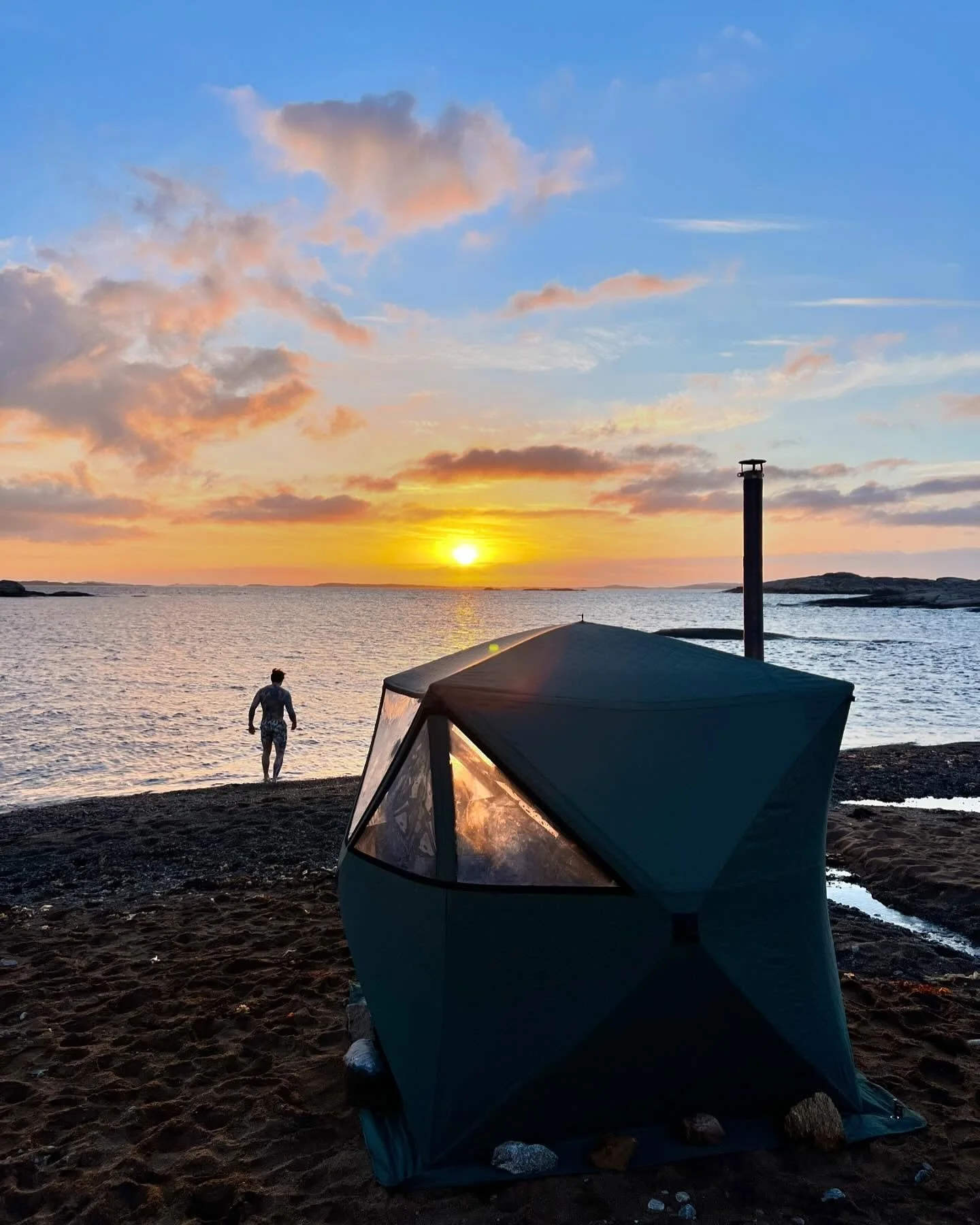
What has changed in the last decade is that this classic Norway is now paired with a genuine nationwide sauna movement. Floating badstu in city harbours, wood-fired cabins on fjord shores, Arctic saunas under the northern lights — if you structure a trip around these, you end up travelling through Norway the way Norwegians actually enjoy it.
This guide is a sauna-first travel plan. Eight things to do, 16 city hubs to lean on, and links to the deeper guides you will want open in another tab.
1. Chase the Northern Lights
From late September through March, Norway’s Arctic belt sits squarely inside the auroral oval. Tromsø is the easiest base — cosmopolitan, compact, and ringed by fjords and peaks dark enough for serious aurora viewing. Further north, Alta and Kirkenes offer quieter, colder alternatives. Allow at least three or four nights to maximise your chances, because clear skies are the one variable you cannot book.
The emerging trick is to pair the aurora hunt with a sauna. Wood-fired heat, a dip into a near-freezing fjord, and then a moment under the lights is a combination that defines the modern Arctic Norway trip. Our Northern Lights and sauna guide covers the best venues and timing for getting both in the same evening.
2. Explore the Fjords
The Norwegian fjords are UNESCO-listed, and rightly so. The Geirangerfjord, Nærøyfjord and Sognefjord are the postcard names, but the entire western and southern coast — from Stavanger to Ålesund to Trondheim — is threaded with deep, sheltered arms of sea hemmed in by near-vertical granite walls.
Ferry the Geirangerfjord in summer, ride the Flåm Railway from the Sognefjord up to the mountains, or kayak the Nærøyfjord at water level. For a slower route, take a Hurtigruten segment along the coast.
The fjord-sauna combination is one of the country’s signature experiences. Our guide to saunas with fjord views in Norway maps the best spots, from waterfront badstu in Flåm and Aurland to remote cabins in Hardanger.
3. Experience the Midnight Sun
North of the Arctic Circle, from roughly late May to mid-July, the sun never fully sets. In Tromsø, Bodø, the Lofoten islands, Senja and the North Cape, daylight simply loops around the horizon and back up again — the effect on sleep, energy and mood is unlike anything most travellers have felt before.
Plan one “night” for a midnight walk, midnight kayak or midnight sauna: the sky turning golden at 1am over a fjord is one of Norway’s quieter, strangest gifts. Many Arctic saunas stay open late specifically for this — ask about late-evening slots when booking.
4. Road-Trip Norway
Norway is built for the road. Eighteen official Scenic Routes (Nasjonale Turistveger) have been designed specifically for drivers, with viewpoints, architecture installations and well-placed rest stops along the coast and mountains. The Atlantic Road, the Trollstigen switchbacks, the Lofoten E10 and the Sognefjellet high-mountain road are among the most famous — and a sauna session at the end of a long driving day is the perfect Norwegian coda.
Our Norwegian sauna road trip guide maps an Oslo-to-Arctic route with city stops, fjord detours and sauna bookings at every overnight.
5. Taste Norwegian Sauna Culture
Sauna — or badstu — is no longer a side attraction in Norway. It is the main event for a growing slice of travellers, and the country’s bathing culture has distinct regional flavours: social floating saunas in Oslo and Stavanger, community badstu in Trondheim and Kristiansand, Arctic wood-fired escapes in Tromsø, and high-end hotel spas everywhere in between.
Newcomers should read our Norwegian sauna culture guide first — it covers etiquette (yes, most are mixed-gender; yes, you usually wear swimwear at public saunas), what to expect in a typical session, and why the cold plunge is the point.
6. Visit the Cities
Norway’s cities are unusually compact, walkable and linked to nature — and every one of them has developed its own sauna scene. These eight are the backbone of most itineraries, and each has a dedicated hub on Norwegian Saunas.
Oslo
The capital is Norway’s densest sauna city, with floating badstu moored along Aker Brygge and wood-fired cabins across the Oslofjord. Combine it with the Munch Museum, Vigeland Park and a forest day in Marka. Browse saunas in Oslo.
Bergen
Gateway to the western fjords, wrapped in seven mountains, famous for Bryggen wharf and rainy-day sauna sessions in the harbour. Start with saunas in Bergen and the surrounding Sognefjord and Hardanger routes.
Tromsø
The Arctic’s liveliest city — aurora, whales, midnight sun and the most dramatic sauna settings in Norway. See saunas in Tromsø for fjord and Lyngen options.
Stavanger
Home to Preikestolen, Jæren’s wild beaches and arguably Norway’s richest floating sauna fleet. Plan around the saunas in Stavanger for a hike-and-bathe combination.
Trondheim
Medieval Nidaros Cathedral, the cafés of Bakklandet, and a river-and-fjord sauna scene that has quietly become one of the country’s best. Explore saunas in Trondheim.
Kristiansand
Sun-drenched southern coast, Dyreparken, Posebyen’s white wooden houses and a family-friendly badstu scene. Start with saunas in Kristiansand.
Lofoten
The islands — not a city, but Norway’s most scenic archipelago — combine fishing villages, white-sand beaches and Arctic saunas with mountain backdrops. See saunas in Lofoten.
Ålesund
Art Nouveau architecture, the Geirangerfjord within reach, and a growing harbour sauna culture. Browse saunas in Ålesund.
7. Winter Wonders
Winter in Norway is genuinely different. Cross-country skiing straight out of Oslo’s metro stations. Husky sledding in Alta. Ski touring in the Lyngen Alps. Ice fishing on Telemark lakes. Christmas markets in Bergen and Røros. And always, everywhere, a sauna waiting at the end of the day.
For planning the coldest, most rewarding months, our winter wellness in Norway guide covers the best saunas, cold plunges and winter experiences nationwide.
8. Book a Private Sauna
Many of Norway’s best saunas are private bookings: you reserve the whole cabin or floating vessel for your group, fire it up, and spend two or three hours alternating between heat and cold water. It is the single most popular way for Norwegians to entertain guests — and an experience that transforms even a short Norway trip.
Our private sauna booking guide walks through how it works, what to expect, and which cities have the strongest private-booking scenes.
Putting It All Together
A one-week Norway trip might look like Oslo (2 nights) → Bergen and a fjord day (3 nights) → Tromsø for aurora or midnight sun (2 nights). A two-week trip adds Stavanger, the Lofoten islands and a road-trip leg along the coast. Whatever the route, build at least two sauna sessions in — one city floating badstu and one remote fjord cabin — and you will have experienced the country the way modern Norwegians actually live it.
Norway is enormous, generous and deeply photogenic. It rewards slow travel and a loose itinerary. And whatever weather it throws at you, there is always a hot cabin and a cold fjord waiting.
Frequently Asked Questions
What are the best things to do in Norway?
Chase the northern lights, sail the fjords, road-trip the coast, experience the midnight sun, explore the cities of Oslo, Bergen and Tromsø — and weave in Norwegian sauna sessions with cold plunges along the way.
When is the best time to visit Norway?
June to August for midnight sun, hiking and fjord cruising; late September to March for northern lights and classic winter experiences. Sauna culture is strongest in the darker, colder months.
How many days do you need in Norway?
A week lets you combine one or two cities with a fjord region. Ten to fourteen days is the sweet spot for a road trip, and you can comfortably fit both the Arctic and the fjords.
Is Norway good for a family holiday?
Yes. Easy fjord cruises, family-friendly saunas, the Flåm Railway, the Lofoten beaches and city attractions in Oslo and Bergen work brilliantly with children.
Do I need a car to travel around Norway?
Not for the main cities — train, bus and ferry cover a huge amount of Norway beautifully. A car opens up the smaller fjord villages, coastal scenic routes and remote saunas.
What is Norway most famous for?
Fjords, northern lights, the midnight sun, Viking heritage, outdoor life and — increasingly — its world-class sauna and cold-bathing culture, now found in every major city and fjord region.
Is Norway expensive?
Yes, but manageable. Trains, ferries, tap water and public saunas are fair value; alcohol and restaurants are where the prices bite hardest. Self-catering and city passes help a lot.
Is sauna really part of Norwegian culture now?
Absolutely. Over the past decade, floating badstu, community saunas and hotel spas have spread to every major Norwegian city — sauna-with-cold-plunge is now as Norwegian as brown cheese and waffles.