Things to Do in Kirkenes — Russia Border, Ice Hotel & Arctic Sauna Experiences
Explore Kirkenes in Arctic Norway — king crab safaris, the world's first snow hotel, dog sledding, Northern Lights, and raw Arctic sauna experiences near the Russian border.
Kirkenes occupies the far edge of Norway — a small, resilient town in Finnmark county where the country meets Russia (just 8 km away), where the Barents Sea stretches north toward the ice, and where the concept of “remote” takes on genuine weight. This is Norway at its most extreme: the midnight sun blazes in summer, polar darkness wraps around the winter months, and the Northern Lights are reliably spectacular from November through March. It is also, for travellers willing to make the journey, one of the most extraordinary destinations in northern Europe. The sauna here isn’t a lifestyle accessory — in an Arctic climate, it’s something closer to essential.
Arctic Sauna Experiences
Kirkenes has developed a small but excellent range of sauna experiences, each shaped by the Arctic environment that surrounds them. In a climate where winter temperatures regularly fall to –15°C or below, the sauna is not a luxury — it is the most natural response to the cold that exists in this part of the world. The heat-and-cold contrast that defines Norwegian bathing culture reaches its logical extreme here, where the cold plunge might be a snow-rimmed lake or the Barents Sea in January.
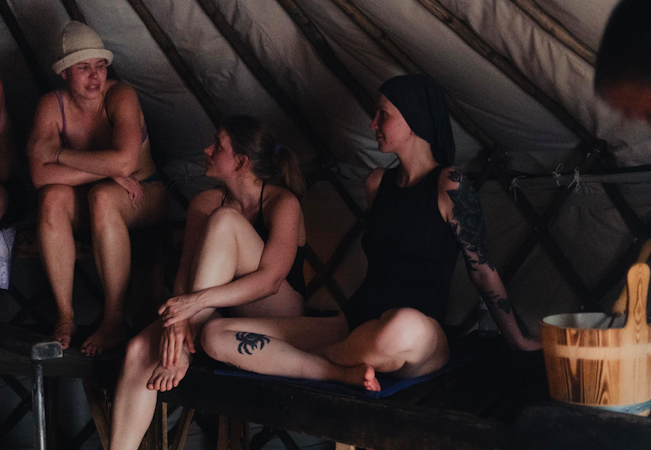
Kirkenes Badstuforening is the community heart of the local bathing scene — a grassroots sauna association that captures the authentic, unpretentious character of Nordic bathing culture in the far north. Their yurt sauna sits by Forstevatn lake, just outside the town: a 4-metre diameter tent structure with two wood-fired stoves that together generate an exceptional, enveloping heat. The three-layer cotton and wool fabric of the yurt retains warmth superbly while giving the interior a warmth quite unlike a standard wood-panelled cabin. Sessions accommodate 8–15 people, and private bookings are available from 2,000 NOK for two hours. This is where locals go, and visitors are warmly included.
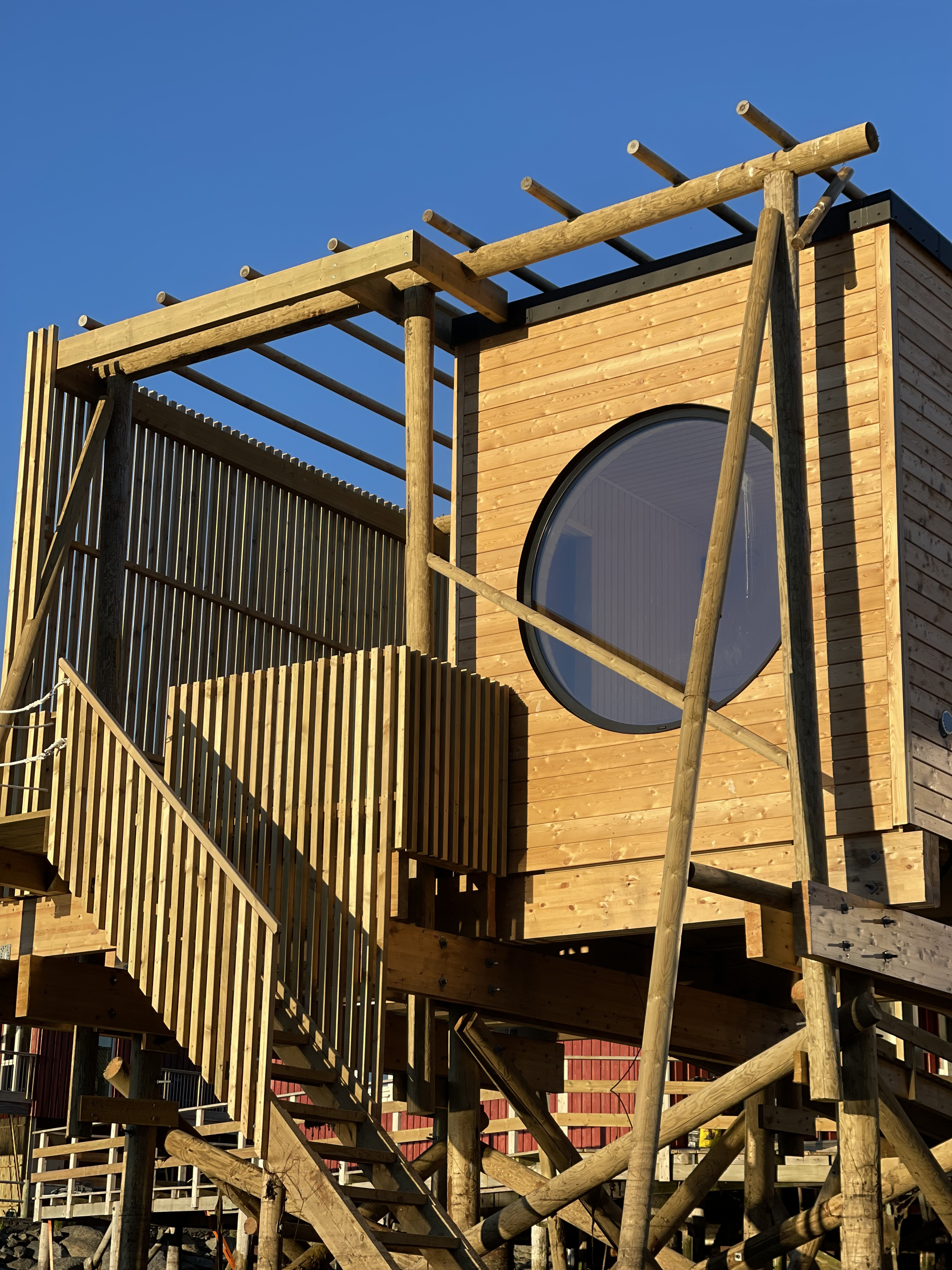
Snow Resort Kirkenes offers a more structured Arctic wellness experience with an indoor spa and sauna facility, and a Google rating of 4.6 from over 1,500 reviews — a scale that reflects how many international visitors pass through. Scandic Kirkenes provides a hotel-based option with sauna facilities, useful as a base for exploring the wider region and particularly convenient if you’re arriving on a late flight.
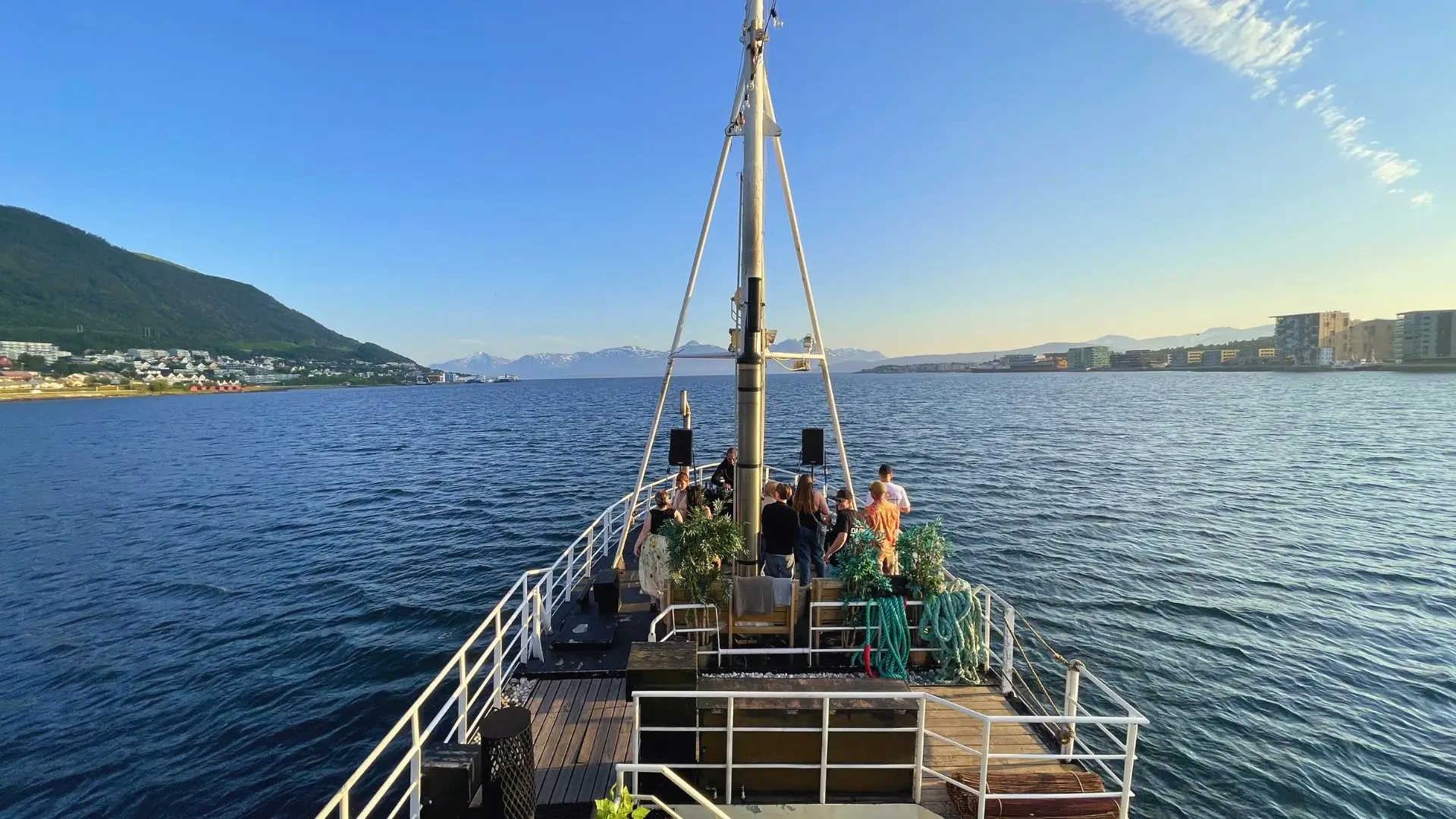
For those prepared to venture further, the village of Bugøynes — about 90 minutes from Kirkenes along the coast — is home to Barents Sauna Camp and Varanger Brygge, both offering wood-fired sauna experiences right on the edge of the Barents Sea. Bugøynes itself is one of the best-preserved fishing villages in Finnmark — a quiet place of painted wooden houses and fishing boats, with a significant Finnish-speaking community that speaks to this region’s complex ethnic history. Bugøynes Opplevelser offers guided experiences from the village. A sauna session here, with the Barents Sea as your cold plunge and the Arctic sky overhead, is as elemental as this experience gets. The best saunas in northern Norway covers this stretch of the coast alongside Tromsø and Alta.
Snowhotel Kirkenes & Arctic Adventures
Kirkenes is home to Snowhotel Kirkenes, widely credited as the world’s first snow hotel — a construction rebuilt entirely from ice and snow each winter. Spending a night in a room carved from ice, sleeping in a thermal sleeping bag beneath reindeer skins, is a singular experience that draws visitors from around the world. The hotel also offers ice sculpting, reindeer experiences, and access to the surrounding tundra landscape.
King crab safaris are one of the signature Kirkenes experiences. The invasive red king crab — originally from the Pacific — has colonised the Barents Sea in enormous numbers, and local operators offer evening boat trips to catch them. The typical format ends with freshly cooked crab legs eaten on the boat in the dark, which is as good as it sounds.
Snowmobile tours out toward the Russian border are popular in winter, crossing a landscape of frozen lakes and birch forest to viewpoints where you can look across into Russia. Dog sledding is another classic winter activity, with several local operators offering everything from short introductory runs to multi-day expeditions.
WWII History & the Varanger Fjord
Kirkenes was one of the most heavily bombed cities in Norway during World War II, and that history is preserved at Andersgrotta — a system of underground rock tunnels where the civilian population sheltered during air raids. The tunnels are open for guided tours and offer a vivid, moving account of what it meant to live under sustained aerial bombardment.
The Varanger Fjord to the south and west of Kirkenes is one of Europe’s great birdwatching destinations. Over 250 species have been recorded in the area, and the combination of Arctic tundra, coastline, and productive sea makes it uniquely rich. The Varanger Samisk Museum at Varangerbotn tells the story of the Sami people of this region.
Bugøynes village, aside from its sauna and crab connections, is one of the few settlements in the area with a significant Finnish-speaking community — a reminder of the complex ethnic and linguistic history of this border region.
Getting There & When to Visit
Kirkenes has its own airport (Høybuktmoen) with daily connections to Oslo and other Norwegian cities, including direct flights on SAS and Widerøe. Flight time from Oslo is around two hours. The town is also the eastern terminus of the Hurtigruten coastal ferry route, which makes a voyage here a true journey’s end — sailing the Norwegian coast from Bergen to Kirkenes takes around six days northbound, and arriving by sea, with the bare coastline of Finnmark unrolling through the porthole, is one of the more atmospheric ways to reach a Norwegian town.
From Kirkenes itself, the Russian border at Storskog is just 8 kilometres east — the closest any Norwegian town comes to Russia. There is a genuine sense at this edge of the country that the wider world has a different geography than you knew: east, not south, is where the continent opens out. The Boris Gleb border crossing was a significant crossing point for local trade before the relationship between Norway and Russia changed in recent years; that shift has altered daily life in Kirkenes more than in most Norwegian towns.
Winter (November–March) is peak season for Northern Lights, snow activities, and the full Arctic experience. The polar night (from late November) is simultaneously challenging and extraordinary — the quality of light during the brief twilight hours at midday is unlike anything further south, and the aurora can appear at any point during the long dark hours. A sauna session followed by a walk into the Arctic night to watch the lights move across the sky is a combination that visitors remember for a long time. Summer brings the midnight sun and a completely different energy: wildlife watching, hiking on the Varanger tundra, and the strange disorientation of round-the-clock daylight that leaves you uncertain what hour it is. The transition seasons of October and April offer good light, early snow or late snow respectively, and fewer crowds.
Kirkenes asks something of its visitors — time, commitment, and willingness to travel to the edge. What it gives back is difficult to find anywhere else. For the sauna culture context that frames what you’ll experience here, our Norwegian sauna culture guide is worth reading before you go.
The Barents Sauna Camp at Bugøynes is one of the most remote sauna experiences in the world — our guide to Arctic sauna experiences in Norway covers it alongside the Svalbard and Tromsø options. For pairing aurora watching with sauna sessions, our Northern Lights sauna guide covers the best venues and timing across Finnmark. Tromsø, Norway’s Arctic capital, is the most common stepping stone to Kirkenes — things to do in Tromsø covers the city’s sauna scene and expedition opportunities.